Credit card downgrades that work
A product change is the most underused move in credit cards: you drop the fee, keep the account, and often keep the relationship. But the details decide whether it's a win.
CardDecide EditorialThe Fee Ledger2026
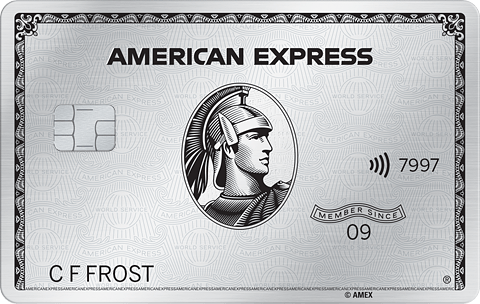
Amex Platinum · $895live feeThe fee, at a glance · Amex Platinum
Issuer-published annual fee · tracked live from CardDecide's dataset
2025 → 2026
Why downgrade instead of cancel
Closing your oldest card can shorten your average account age and reduce your total available credit, which may dent your score. A product change — the industry's bland term for a downgrade — usually keeps the same account number, the same history, and the same credit line. You trade benefits for a lower fee without the collateral damage.
Downgrades also keep the door open. Cancelling a premium card sometimes means re-applying later, with a hard inquiry and no guarantee of the same welcome offer. Changing products rarely burns that bridge.
The three gotchas
Before you call, check these three — they're the difference between a clean downgrade and an expensive surprise:
- Rewards currency: moving to a card that earns a different currency can forfeit your points (this is real for some Amex and Chase paths — check your balance first).
- Timing: most issuers want you past your first year before a product change, and some prorate nothing — ask when the new fee clock starts.
- Benefits cliff: elite status, lounge access, and statement credits typically end immediately on a downgrade, not at your next anniversary.
How the call goes
Product changes are almost always done by phone, through the same retention line you'd call about offers. Say plainly: you'd like to change the card on your account to the specific product you've chosen. Have the destination card's name ready, and ask them to read back what happens to your rewards, your credit line, and your anniversary date.
You can also use the call to test the waters: ask what retention options exist before committing to the change. Many people discover the downgrade was their best offer all along — or get an incentive that makes staying reasonable.
What survives the move — and what dies
The parts of a downgrade people regret losing are rarely the headline benefits. Before you commit, check each layer:
- Rewards balance: usually survives within the same currency, but a move across currencies (some Amex paths into cash-back products, for example) can strand or convert points. Never agree to a change before confirming what happens to your balance.
- Annual-fee timing: most issuers won't refund the current fee on a mid-year change, and the new product's fee clock usually starts at the change date. Ask both questions explicitly.
- Credit line: often carried over unchanged, but issuers sometimes rebalance lines on a product change — worth confirming if your utilization is tight.
- Status and credits: benefits tied to the premium product end immediately — not at your next statement, and not at your anniversary. If you're mid-way through a statement-credit period, ask what happens to unclaimed amounts.
The ladders worth knowing
The cleanest downgrades follow a family ladder: a premium card dropping to its mid-tier sibling, then to the no-fee floor. Chase's Sapphire Reserve to Preferred to Freedom is the classic; Capital One's Venture X to Venture to VentureOne works the same way; Amex Platinum cardmembers usually look at Gold. Co-brand cards run their own ladders — Delta, Hilton, Marriott, and United each publish a family line where the fee falls at each step while core perks (a free night, a companion certificate, status) survive until a specific rung.
The common thread: staying inside the family preserves your account history and usually your points currency. Leaving the family — a Sapphire Reserve to a Freedom, say — trades more benefits for more distance from the points ecosystem. Neither is wrong; they're different answers to the same equation.
Before you call
Look up the exact downgrade path for your card in the comparison view, and have the destination product's name ready. Ask what happens to your points before you agree to anything.
See the downgrade paths we track
Estimated retained value for every product-change path in the dataset.
Compare pathsFigures in this article are sourced from issuer pages and community reports, verified on the dates shown, and may have changed. Always confirm current terms, benefits, and fees with the issuer before acting. Not financial advice.
Keep reading
All articlesTheory is cheaper than the fee.
Run your own card through the same equation in about two minutes.
Check my card